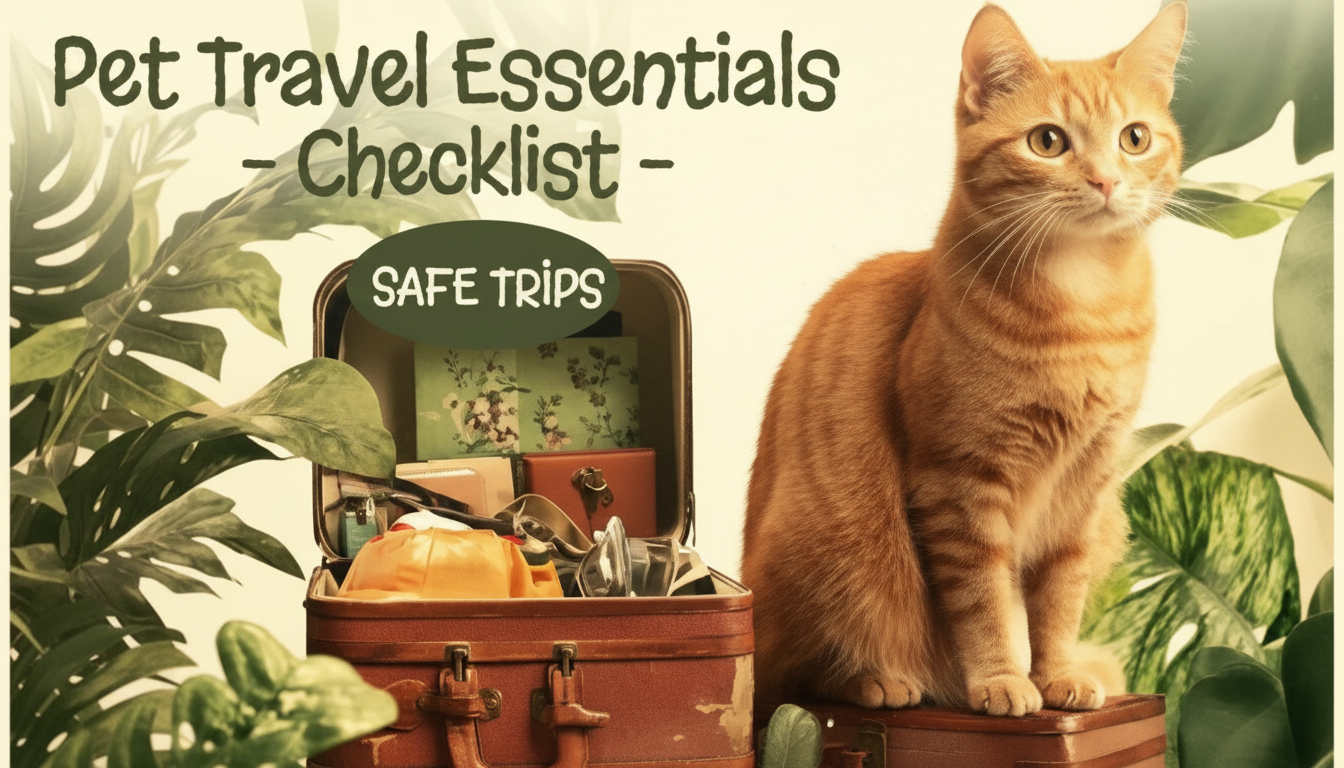
Safe pet travel comes down to planning, comfort, and a few non-negotiable safety items. Use the checklist below to pack for road trips and vacations with dogs or cats, reduce last-minute stress, and keep routines steady from departure to arrival.
A smooth travel day usually starts 48–72 hours before you load the car. A short plan keeps you from scrambling for supplies while your pet picks up on the stress.
If your trip crosses borders or involves special rules, check current requirements early. For U.S. travel guidance and health considerations, review CDC — Traveling with Pets and USDA APHIS — Pet Travel.
When routines change, identification and medical prep become even more important. These items help with emergencies, lodging check-ins, and peace of mind.
For general pet safety tips and preparation, American Veterinary Medical Association — Traveling with Your Pet is a helpful reference to bookmark.
The goal is to keep your pet secure, calm, and temperature-safe from driveway to destination.
Packing is easier when you focus on what keeps your pet feeling “at home” first, then layer in safety and contingency items.
| Category | Essentials | Notes |
|---|---|---|
| Safety | Carrier (secured) or crash-tested harness + seat-belt tether | No loose pets in the vehicle |
| Safety | Leash, backup leash, ID tags | Cats: use a harness only if trained |
| Food & Water | Regular food, treats, collapsible bowls, bottled/filtered water | Pack 2–3 extra days |
| Health | Medications, flea/tick/heartworm preventives, first-aid kit | Include dosing schedule |
| Hygiene | Waste bags, litter + small tray (cats), wipes, towels | Add enzyme cleaner for accidents |
| Comfort | Bed/blanket, favorite toy, calming aid approved by vet | Familiar scents help most pets |
| Documents | Rabies/vaccine records, microchip info, pet policy confirmations | Store copies on phone + paper |
| On-the-Go | Poop scoop, flashlight, car seat cover, lint roller | Keep in a reachable bag |
| Outdoor | Booties or paw balm, jacket/raincoat, reflective gear | Match the climate and terrain |
| Arrival | Baby gate or pen, portable litter box, scratcher (cats) | Creates a safe “home base” zone |
If you want a one-page, print-and-pack version you can reuse for every trip, see the Pet Travel Essentials Checklist for Safe Trips | Printable Pet Travel Planner | Road Trip & Vacation Packing List for Dogs & Cats.
If you’re building a long-term plan for a new pet (including how travel will fit your lifestyle), the Are You Ready? Pet Adoption Decision Workbook | Printable Pet Adoption Guide can help you map routines, costs, and care expectations before big commitments.
A secure restraint (crash-tested harness) or a carrier that’s buckled in, up-to-date ID and microchip info, water and bowls, regular food, medications/records, a leash, waste or litter supplies, and a basic first-aid kit cover the core safety needs.
For most dogs, plan stops every 2–3 hours for water, potty time, and a short walk. Cats often do better with fewer, calmer stops—focus on keeping the carrier secured, offering water when appropriate, and providing litter access when needed.
A light meal a few hours before departure can reduce nausea while keeping the routine steady. If motion sickness is a concern or your pet has a special diet, check with your veterinarian before adjusting feeding times or using any medication.












Leave a comment