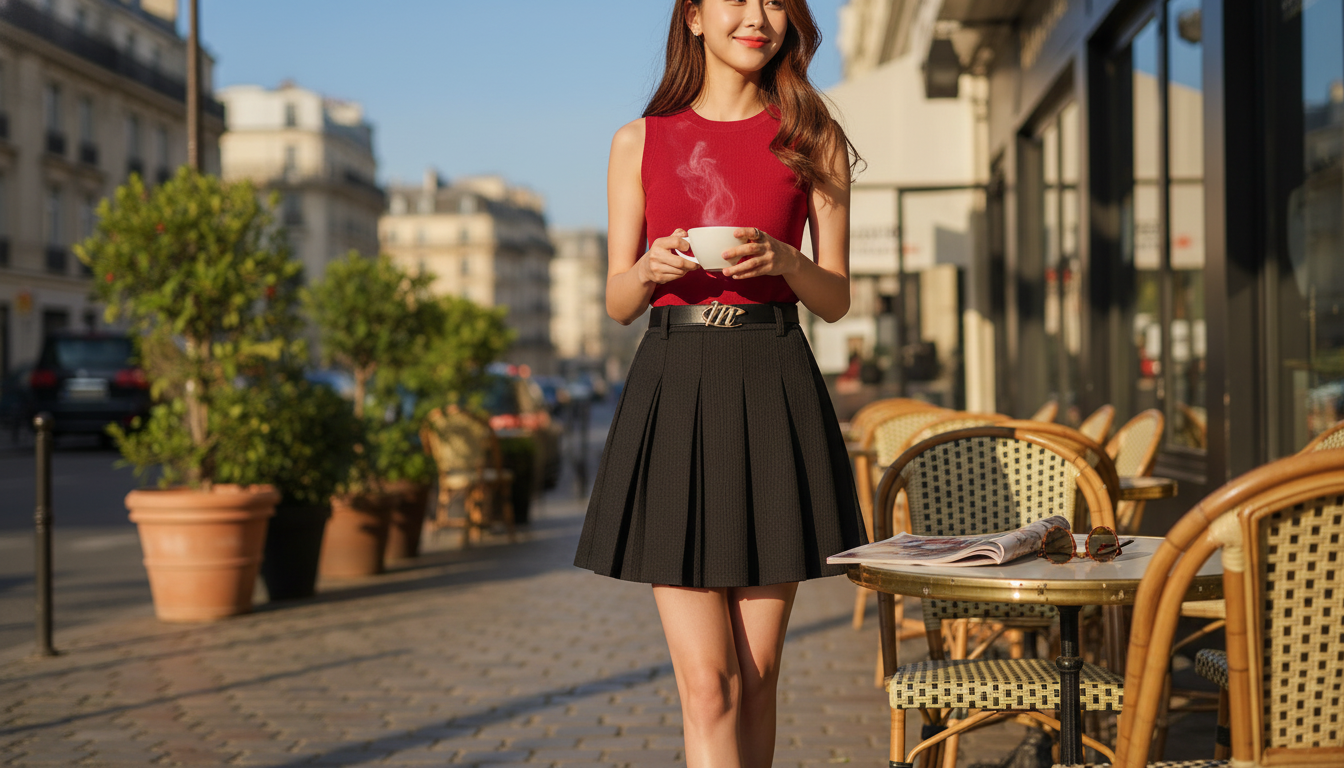
A high waist A-line skirt brings a timeless silhouette back into everyday rotation: defined at the waist, softly flared through the hem, and easy to dress up or down. The shape nods to mid-century style while fitting right into modern wardrobes—clean lines, comfortable movement, and outfit-building versatility. Whether you reach for a fitted knit, a tucked-in blouse, or a simple tee, this is the kind of piece that makes getting dressed feel effortless. For more guidance, see The Vintage Pleated Skirt and 19 Crimes – Designing Mimi.
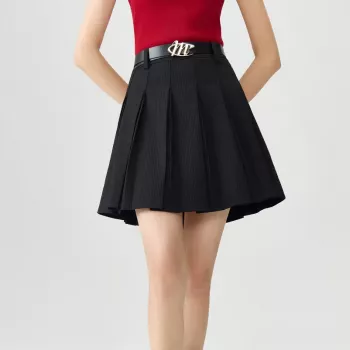
If you’re ready to add one to your lineup, start with the Retro High Waist A-Line Skirt for a polished, wear-anywhere option that can go casual, professional, or event-ready with a few quick styling swaps.
The A-line skirt has stayed in style for generations because it’s one of the easiest shapes to wear. The high-rise waist draws the eye to the narrowest point of the torso, while the gentle flare offers comfort and balance without clinging.
For a little fashion history context, museum collections like the Victoria and Albert Museum’s fashion archive highlight how enduring skirt silhouettes (including structured waists and classic flares) have cycled through decades of style.
Not all high waist A-line skirts wear the same. Small design details can change how the skirt sits at the waist, how it moves, and how “tailored” it appears in photos and real life.
If you enjoy learning how core wardrobe pieces are defined and categorized, Encyclopaedia Britannica’s overview of skirts is a helpful reference point for the garment’s evolution and variations.
When styling a flared skirt, the most reliable trick is proportion: keep the top more fitted or neatly tucked to let the waistline do the work. From there, you can shift the vibe with shoes and layers.
| Mood | Top | Shoes | Accessories | Where it works |
|---|---|---|---|---|
| Everyday casual | Tucked-in tee or tank | Sneakers or flat sandals | Crossbody bag, simple hoops | Errands, coffee, travel days |
| Office-ready | Button-up blouse or fine knit | Loafers or low heel | Structured tote, belt | Work, meetings, brunch |
| Date night | Fitted knit or off-shoulder top | Heeled sandals or ankle boots | Statement earrings, clutch | Dinner, events, photos |
| Cool-weather layered | Turtleneck + cardigan | Knee-high boots | Tights, wool coat | Fall and winter outings |
A high waist skirt looks best when the waistband sits securely at the natural waist—the smallest point of the torso—without pinching. Because the A-line shape offers space below the waist, a great fit starts with accurate waist measurement.
For general laundering best practices (sorting, water temperature, and fabric-safe care), the American Cleaning Institute is a solid, practical resource.
Fitted or tuckable tops work best—think ribbed knits, bodysuits, tucked-in tees, and blouses. The goal is to balance the skirt’s flare and keep the waistline defined.
It should sit at your natural waist and feel secure without squeezing, so you can breathe and sit comfortably. If you’re deciding between sizes, choose based on the waistband fit first since the A-line cut provides room below.
Hang it promptly after drying and use a steamer to relax wrinkles while preserving the flare. If ironing is needed, use low heat (as the care label allows) and avoid pressing the skirt flat.








Leave a comment