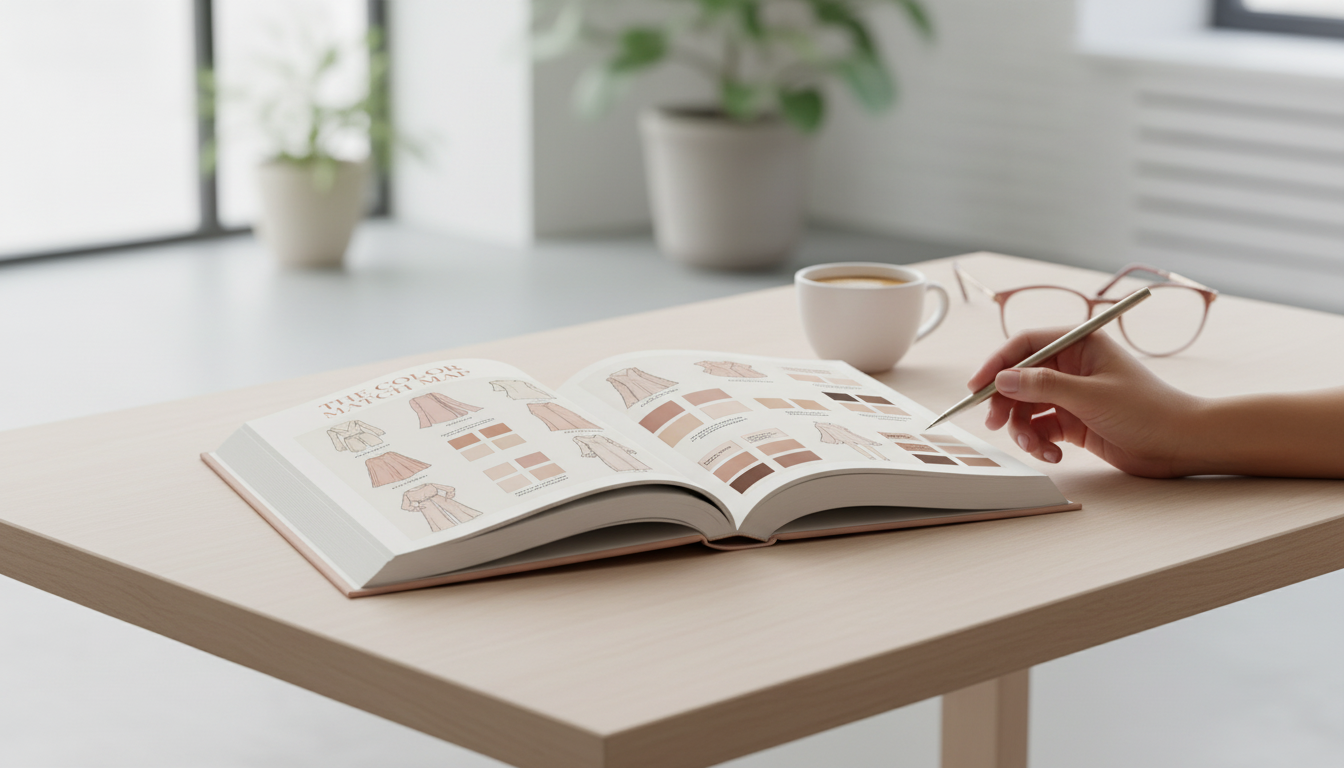
Putting outfits together gets easier when color choices follow a few reliable rules. The Color Match Map is a quick-reference cheat sheet designed to help build harmonious outfits fast—whether the goal is subtle, polished, playful, or bold. Use it to pair tops, bottoms, layers, shoes, and accessories with more confidence and fewer “does this work?” moments.
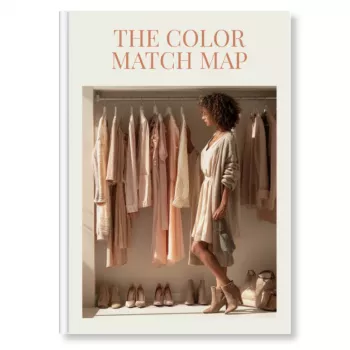
If you like having a fast visual reference, The Color Match Map: The Ultimate Color Coordination Cheat Sheet for Effortless Outfits is designed to work like a “menu” of pairings—so you can decide, get dressed, and move on.
These are the five approaches that cover most real-life outfits. They’re rooted in classic color relationships (helpful background: color wheel and color theory).
For an easy “base,” start with a neutral bottom you can repeat across outfits—wide-leg silhouettes make color pairing especially forgiving because the shape reads polished even with simple tones. Try Women’s Wide-Leg Pants as a go-to anchor for office, travel, or weekends.
Use this like a shortcut: start with a base color (what’s already being worn), then pick 1–2 supporting colors. Keep prints simple by pulling one color from the print and repeating it elsewhere (shoes, bag, belt, earrings). If the outfit feels “too much,” replace one color with a neutral.
| Base color | Easy matches | Best accent color | Works well for |
|---|---|---|---|
| Black | White, gray, beige, denim, camel | Red or metallics | Evening looks, sharp minimal outfits |
| White | Navy, black, olive, tan, pastel tones | Cobalt or hot pink | Fresh everyday outfits, summer styling |
| Navy | Cream, white, gray, tan, light blue | Mustard or coral | Office-ready, polished casual |
| Gray | Black, white, blush, navy, denim | Burgundy or emerald | Soft neutrals, layered outfits |
| Beige/Camel | White, black, denim, olive, chocolate brown | Teal or rust | Warm, elevated basics |
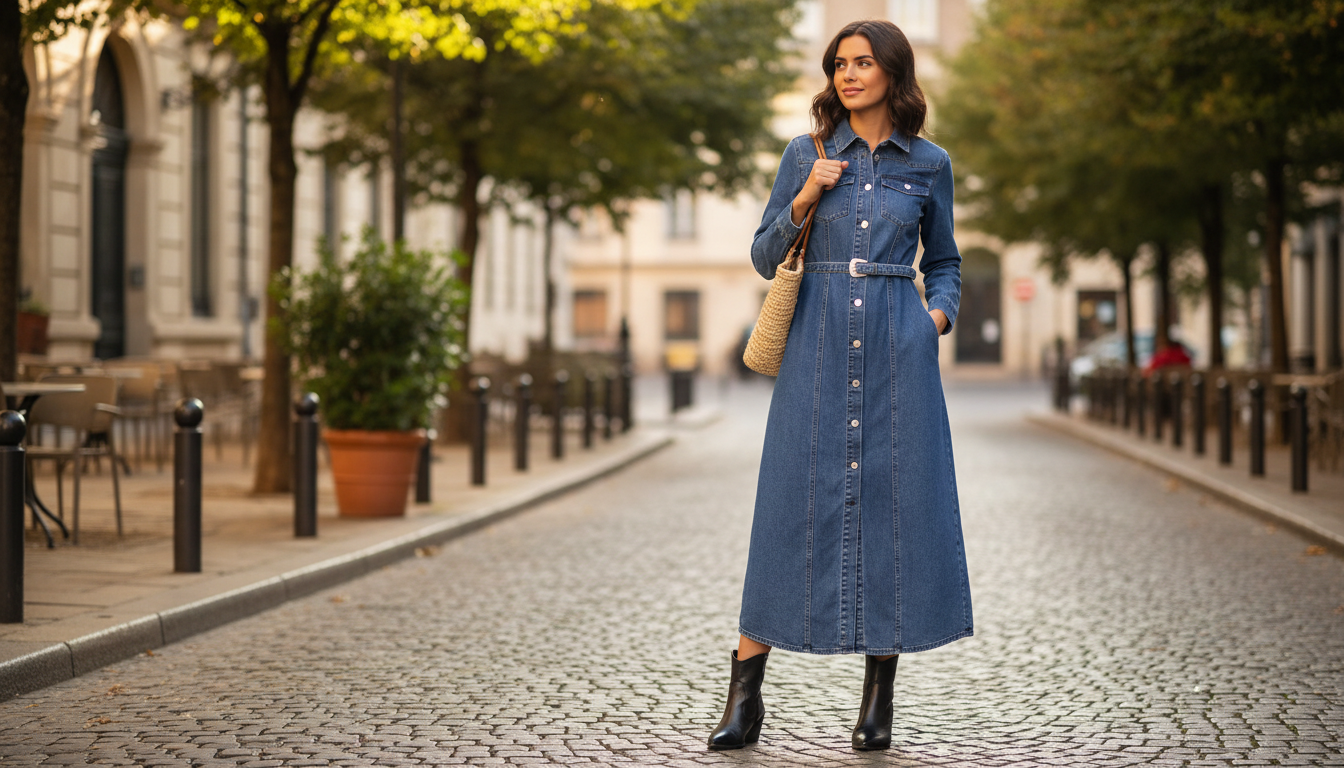
| Denim blue | White, black, gray, tan, red | Yellow or green | Casual outfits with easy contrast |
| Olive | Cream, black, tan, denim, rust | Pink (muted) or gold | Earthy palettes, fall outfits |
| Red | Black, white, navy, denim, blush | Gold or leopard print | Statement outfits, festive looks |
| Pink (soft) | Gray, white, denim, camel, navy | Burgundy or forest green | Romantic, balanced outfits |
| Mustard | Navy, cream, denim, brown, olive | Plum or black | Bold casual, warm-toned looks |
When you want the fastest “one-and-done” base color, start with a dress. A simple silhouette gives you a large, consistent color field, so accessories do the work. Consider Ankle-Length Sleeveless Casual Dress as the base, then add either a neutral layer (denim jacket, cream cardigan) or a single accent (cobalt earrings, red lip, metallic sandals).
If you want a grab-and-go version to keep on your phone or print for your closet, The Color Match Map: The Ultimate Color Coordination Cheat Sheet for Effortless Outfits turns the “What matches this?” loop into a quick glance.
As a rule of thumb, aim for 2–3 main colors plus neutrals (and one metal tone for jewelry). Prints can count as multiple colors, so keep everything else simple; monochrome outfits can be just one color in multiple shades.
Warm colors lean yellow/orange, while cool colors lean blue/pink; when they clash, the outfit can feel “off.” Add a bridging neutral (denim, gray, cream) and repeat one color (shoe, belt, bag) to make the mix look intentional.
Reliable pairings include navy + white, camel + black, gray + blush, denim + white, and olive + cream. Add one accent (like red, mustard, teal, or metallics) in a small dose—shoes, bag, or earrings—to keep it effortless.








Leave a comment