HomeBlogBlogAdaptive Fashion Essentials: Comfort-First Capsule Plan

Adaptive Fashion Essentials: Comfort-First Capsule Plan

Adaptive Fashion Essentials: Comfort-First Capsule Plan

Style That Fits Life: An Adaptive Fashion Essentials Plan for Comfort, Access, and Confidence

Adaptive style works best when it supports real routines—getting dressed with less effort, staying comfortable throughout the day, and feeling like yourself in every setting. This essentials plan centers on inclusive wardrobe building, practical outfit formulas, and fabric choices that reduce friction while boosting confidence.

What “adaptive essentials” means in everyday dressing

Adaptive essentials are the pieces that make daily dressing simpler and more comfortable without sacrificing personal style. The goal is to build a wardrobe that works with your body and your schedule—whether you’re navigating mobility changes, chronic pain, sensory preferences, temperature swings, or fluctuating sizing.

  • Prioritizes ease of dressing with closures, openings, and silhouettes that reduce strain and time.
  • Builds repeatable outfit formulas so you’re not reinventing the wheel every morning.
  • Balances comfort and aesthetics so clothing feels empowering—not purely functional.
  • Supports a range of needs like fine-motor challenges, overhead dressing difficulty, and sensitivity to seams or tags.
  • Keeps style consistent across home, work, appointments, and social plans.

Start with a “life map” before buying anything

A life map is a quick snapshot of where your clothes need to perform. It prevents “almost right” purchases that look good online but create daily stress in real life.

  • List weekly situations: home, errands, work, events, travel, therapy/medical visits, exercise, and rest days.
  • Note common barriers: overhead dressing, fine-motor closures, standing time, tight waistbands, scratchy labels, and heat/cold swings.
  • Choose 1–2 signature style cues (a color family, a favorite neckline, jewelry, sneakers vs. loafers) to keep outfits feeling personal.
  • Set a comfort baseline: fabrics and fits that feel good for at least 6–8 hours.
  • Define non-negotiables (elastic waist, tag-free, machine washable, pockets, breathable fabric, etc.).

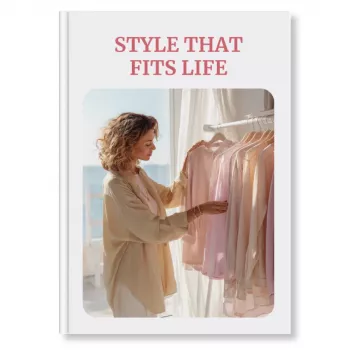
If you want a structured way to do this, the Style That Fits Life | Adaptive Fashion Essentials Plan (Digital Download) is designed as a step-by-step worksheet you can revisit as your needs change.

Inclusive wardrobe foundations that mix easily

Start with a small set of foundations that coordinate without effort. Think in “modules”: tops that work with multiple bottoms, layers that regulate temperature, and shoes that feel stable and quick to put on.

  • Top layer: soft tees, knit tops, or button-free pullovers with easy neck openings.
  • Mid layer: cardigans, open-front jackets, or lightweight shackets for easy temperature control.
  • Bottoms: pull-on styles, wide-leg silhouettes, or adjustable waists for comfort and movement.
  • One-piece option: dresses/jumpsuits that reduce coordination effort and simplify outfitting.
  • Footwear: supportive, easy-on shoes; consider wider toe boxes and secure closures.
  • Accessories: scarves, hats, and jewelry that add style without adding discomfort.

Essentials Checklist and Why It Helps

Category Adaptive feature to look for Why it matters
Tops Stretch knit, wider neck opening, tag-free Less pulling, fewer sensory irritations
Layers Open front, lightweight warmth Easy on/off for temperature changes
Bottoms Elastic or adjustable waist, roomy cut Comfort while sitting, moving, or swelling
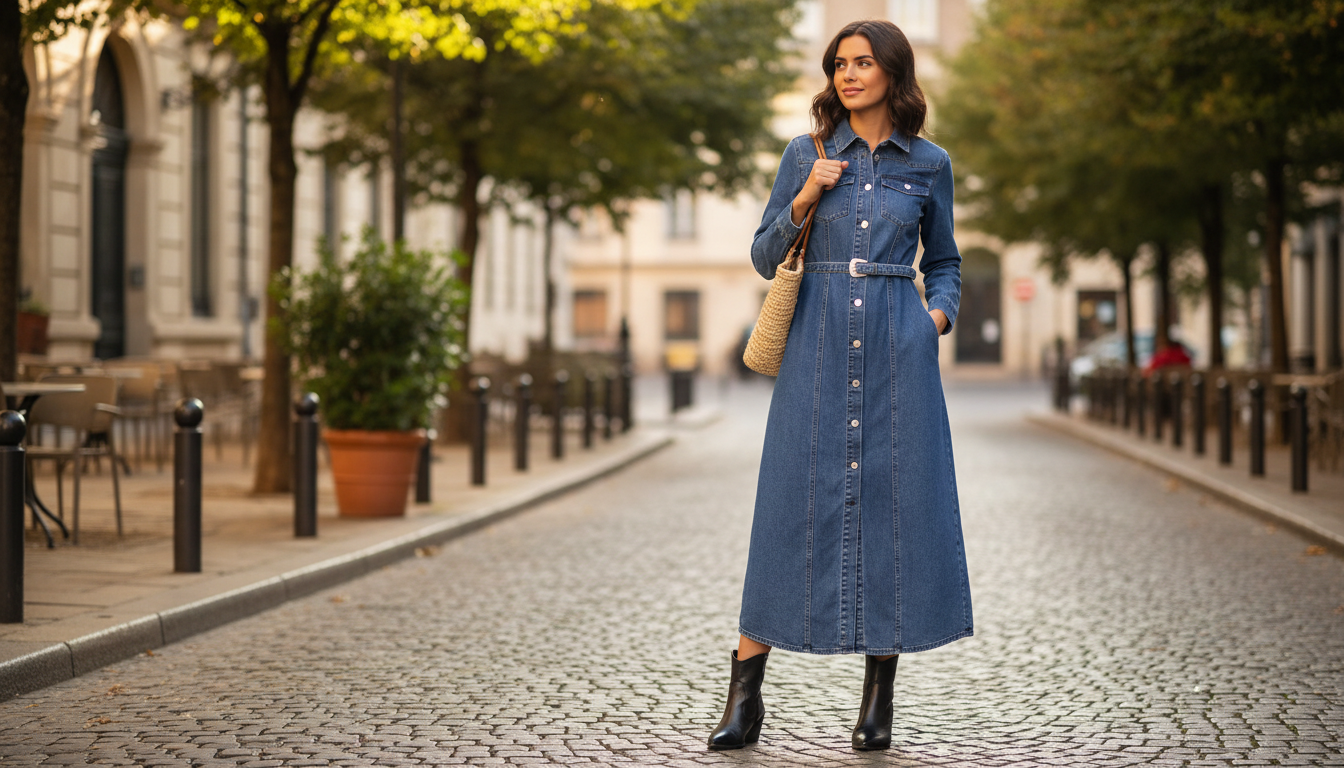
Dresses Soft fabric, simple closure, pockets Fast outfit that still feels polished
Shoes Slip-on or easy closure, stable sole Safer steps and quicker exits
Care Machine washable, wrinkle resistant Less time and effort to maintain

Two easy building blocks to consider are Women’s Wide-Leg Pants for comfortable movement and an outfit-ready one-piece like the Ankle-Length Sleeveless Casual Dress when you want a polished look with fewer steps.

Smart fabrics and comfort engineering to know

Fabric can make the difference between “fine for 20 minutes” and “comfortable all day.” When possible, prioritize softness against skin, stretch that bounces back, and easy care that doesn’t create extra work.

  • Breathability: cotton blends, modal, bamboo viscose, and performance knits can reduce overheating.
  • Stretch and recovery: elastane blends help garments move without sagging or feeling restrictive.
  • Softness and sensory ease: brushed knits, flat seams, and tag-free labels reduce irritation.
  • Temperature support: layering-friendly fabrics and moisture-wicking options help manage hot/cold swings.
  • Durability: fabrics that hold shape after washing keep staples dependable.
  • Care needs: low-iron, quick-dry, and stain-resistant finishes can reduce maintenance.

For broader context on designing for diverse needs, accessibility principles from the W3C Web Accessibility Initiative (WAI) echo an important idea: reducing friction improves everyday participation. Likewise, the CDC’s Disability and Health Overview highlights how environments and tools can support daily life—clothing is one of those tools.

Outfit formulas that reduce decision fatigue

Decision fatigue is real—especially on high-demand days. Outfit formulas help by turning “What should I wear?” into a short, repeatable checklist.

Confidence-building style without discomfort

Putting it into action with the Adaptive Fashion Essentials Plan

  • Use the digital guide as a step-by-step worksheet for mapping needs, building a capsule, and choosing fabrics.
  • Turn your checklist into a shopping filter so you skip uncomfortable “almost right” purchases.
  • Create a 2-week outfit plan using formulas, then refine based on what felt best.
  • Track friction points (pinching seams, restrictive waist, hard closures) and replace only what causes stress.
  • Aim for fewer, better pieces that work across multiple settings.

FAQ

What makes clothing adaptive, even if it doesn’t look “medical”?

Adaptive clothing includes features that reduce effort or discomfort—like stretch, easier openings, simplified closures, sensory-friendly construction (flat seams, tag-free), and adjustable fits—while still looking like everyday style.

How can a small wardrobe still feel stylish and varied?

Use repeatable outfit formulas, a consistent color palette, and layers to multiply combinations. With 10–15 core items plus a few accessories, it’s easy to rotate looks without adding more pieces.

Which fabrics are usually best for sensory comfort and all-day wear?

Many people prefer soft knits such as modal/cotton blends, breathable performance knits, and garments with flat seams and tag-free labels. Preferences vary, so testing fabrics for a full day of wear is often the most reliable approach.

Was this article helpful?

Yes No
Leave a comment
Top

Shopping cart

×