
Clear weekly goals cut down decision fatigue, protect deep-work time, and make progress visible even when life gets busy. The simplest system is also the most sustainable: define one meaningful outcome, pick a small set of actions that drive it, block time to execute, and review what happened so next week gets easier.
A smart week is not a packed week. It’s a week where priorities are obvious and follow-through is protected by design.
Research-backed goal guidance emphasizes clarity, commitment, and realistic planning. If you want a quick credibility check on why specificity matters, the American Psychological Association’s overview of goal setting is a helpful reference: https://www.apa.org/topics/personality/goal-setting.
Weekly planning works best when the goal is written as a finish line, not a feeling. Use SMART outcomes to transform “I should…” into “I will complete…”
| Starting idea | SMART weekly outcome | Definition of done |
|---|---|---|
| “Get healthier” | Complete 3 strength workouts and 2 walks by Sunday 6 pm | 5 workouts logged; at least 30 minutes each |
| “Grow my business” | Send 30 outreach emails and book 2 calls by Friday 4 pm | 30 sent; 2 calls scheduled on calendar |
| “Learn a new skill” | Finish lessons 1–4 and pass the quiz with 80% by Saturday | Lessons completed; quiz screenshot or score recorded |
| “Declutter the house” | Clear and donate items from one closet shelf + one drawer by Sunday | Donation bag ready; spaces visibly cleared |
Priorities fail when they’re chosen in a vacuum. Build the plan around reality first, then ambition.
If you’re leading a team or balancing multiple stakeholders, it can help to review how effective goals are framed in business settings as well: https://hbr.org/.
The biggest advantage of AI is structure: it can help you compare options, sequence tasks, and create fallback plans—if you feed it the right constraints.
Keep the cycle light enough to repeat. Momentum comes from consistency, not complexity.
For physical goals, friction matters. If one of your outcomes is workout consistency, having comfortable basics ready can remove a common barrier—like a supportive Breathable Padded Halter Sports Bra set aside in advance for scheduled sessions.
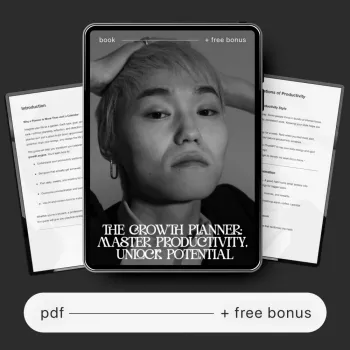
If you want a ready-to-use structure, the Guided weekly goal-setting digital download is designed to turn goals into weekly outcomes, key actions, and time blocks—plus guided text you can use to generate a realistic plan, backup options, and review questions.
Weekly planning also supports non-work decisions. If a major life change is on your horizon, a structured workbook can reduce second-guessing by making the decision criteria visible—like the Are You Ready? Pet Adoption Decision Workbook. And for everyday execution, comfortable routines are easier to keep when your basics are ready to go—such as Women’s Wide-Leg Pants that work for errands, desk time, and casual meetings without overthinking what to wear.
Set 1 primary outcome and 1–2 secondary outcomes. Add more only when you have clear extra capacity and the goals are truly independent (not competing for the same time blocks).
Do a 10-minute midweek reset: re-check constraints, reduce scope, and protect the must-win outcome. Then time-block the next best action within the next 24 hours to regain momentum quickly.
Yes—use the same structure (outcome, 3–5 key actions, schedule, and one metric) and simply change the language and measurement. For personal goals, metrics might be sessions or minutes; for work goals, they might be deliverables shipped or clients contacted.












Leave a comment