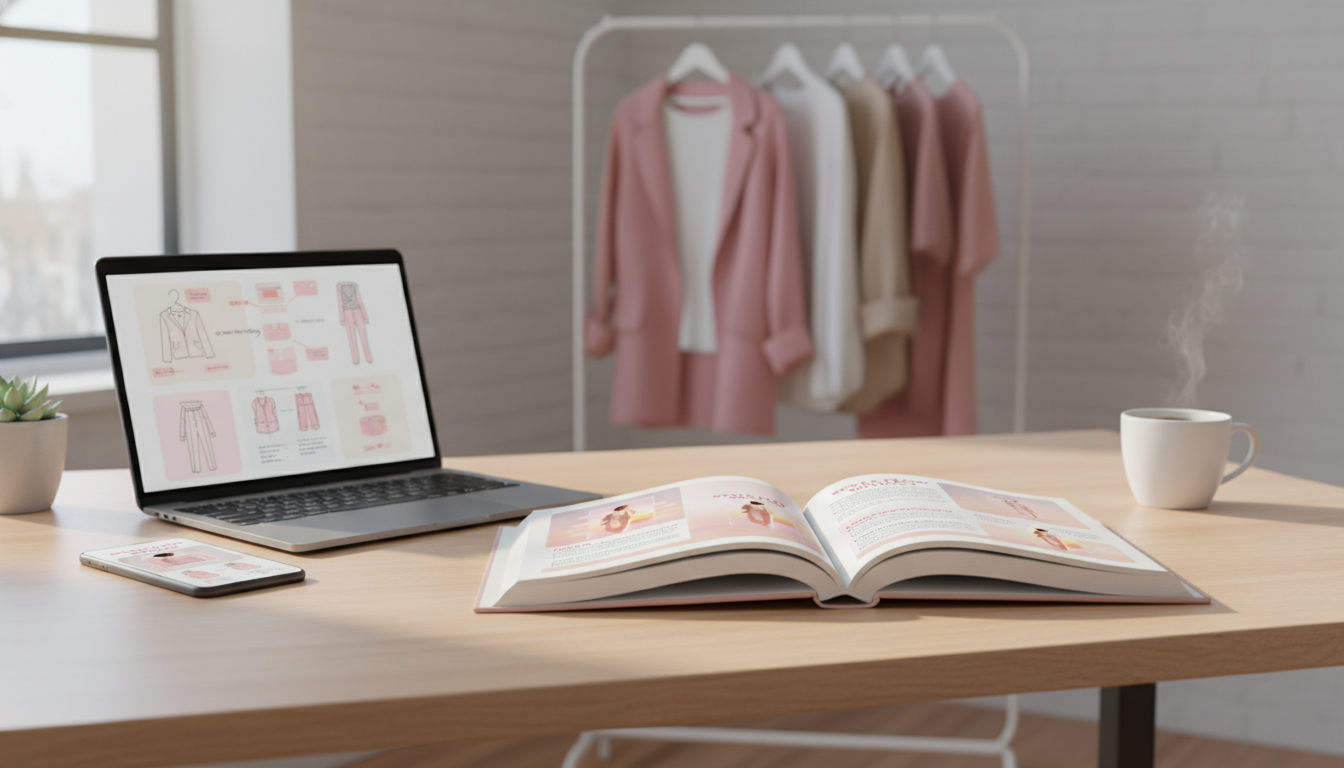
Outfit decisions get easier when there’s a repeatable system: capture what you own, define a clear style direction, generate outfit options with AI, then refine with fit, comfort, and lifestyle rules. This guide-style workflow helps turn scattered closet pieces into reliable outfit formulas that can be reused across seasons.
A style flow is a simple, repeatable sequence you can run anytime you feel stuck: inventory, rules, options, refinement, and saveable formulas. Instead of waking up to a daily guessing game, you rely on a process that gets faster the more you use it.
This approach also supports smarter shopping: when you know the formulas you repeat, you can buy fewer pieces that work harder. For guidance on extending the life of what you already own, the CFDA’s sustainability resources highlight practical garment care and longevity strategies worth adopting.
Start small on purpose. You don’t need your entire closet to get better outfits—you need your most-worn pieces and the real constraints that make you avoid certain items.
| Category | What to record | Example |
|---|---|---|
| Tops | Necklines, sleeve length, best-fit sizes | Crewneck tees, button-down, knit tank |
| Bottoms | Rise, inseam, comfort rating | High-rise jeans, wide-leg trousers, midi skirt |
| Shoes | Heel height, walking comfort, season | White sneakers, ankle boots, flats |
| Layers | Warmth level, dressiness, color | Denim jacket, blazer, cardigan |
| Accessories | Metal tone, bag size needs | Gold hoops, crossbody bag, belt |
AI can generate endless combinations, but your rules are what make those combinations wearable. Think of this step as building guardrails that keep suggestions aligned with your real life.
If you’re building toward a smaller, more flexible wardrobe, capsule wardrobe guidance can help you stay focused on the “repeatable essentials” that support multiple outfits. Vogue’s capsule coverage offers useful seasonal framing: capsule wardrobe guidance and seasonal essentials.
The fastest way to get good results is to give specific inputs and ask for structured variety. Your goal isn’t novelty—it’s a handful of dependable outfit recipes you can repeat.
| Step | What to provide | Example instruction to the AI | What you should get back |
|---|---|---|---|
| Context | Occasion + weather + time | “Weekend brunch, 65°F, walking 30 minutes.” | Appropriate styling direction |
| Inventory | Items you own + constraints | “Use my white sneakers, black belt, and a light jacket.” | Looks that match your closet |
| Variation | Dressiness range | “Give 3 versions: casual, polished, statement.” | Options that feel distinct |
| Refine | Fit/comfort feedback | “No tight waistbands; prefer high rise.” | Adjusted silhouettes and swaps |
| Save | Final formulas | “Summarize each look as a formula.” | Reusable outfit recipes |
If you want the workflow organized into a quick, repeatable system, Style Flow with AI digital guide is built around the same “inputs → options → refinement → formulas” loop.
Yes—share a short list of your most-worn items, set clear comfort and fit rules, and ask for outfit formulas with substitutions. The goal is repeatable combinations that you’ll actually wear, not endless novelty.
Add real-life constraints like walking time, temperature swings, and workplace norms, plus fabrics and fits you avoid. Score each look for confidence, comfort, and practicality before saving it as a formula.
Start with one versatile layer, one comfortable everyday shoe, or a bottom that pairs with most of your tops. Only add pieces that unlock multiple outfits you can picture wearing on a normal week.









Leave a comment