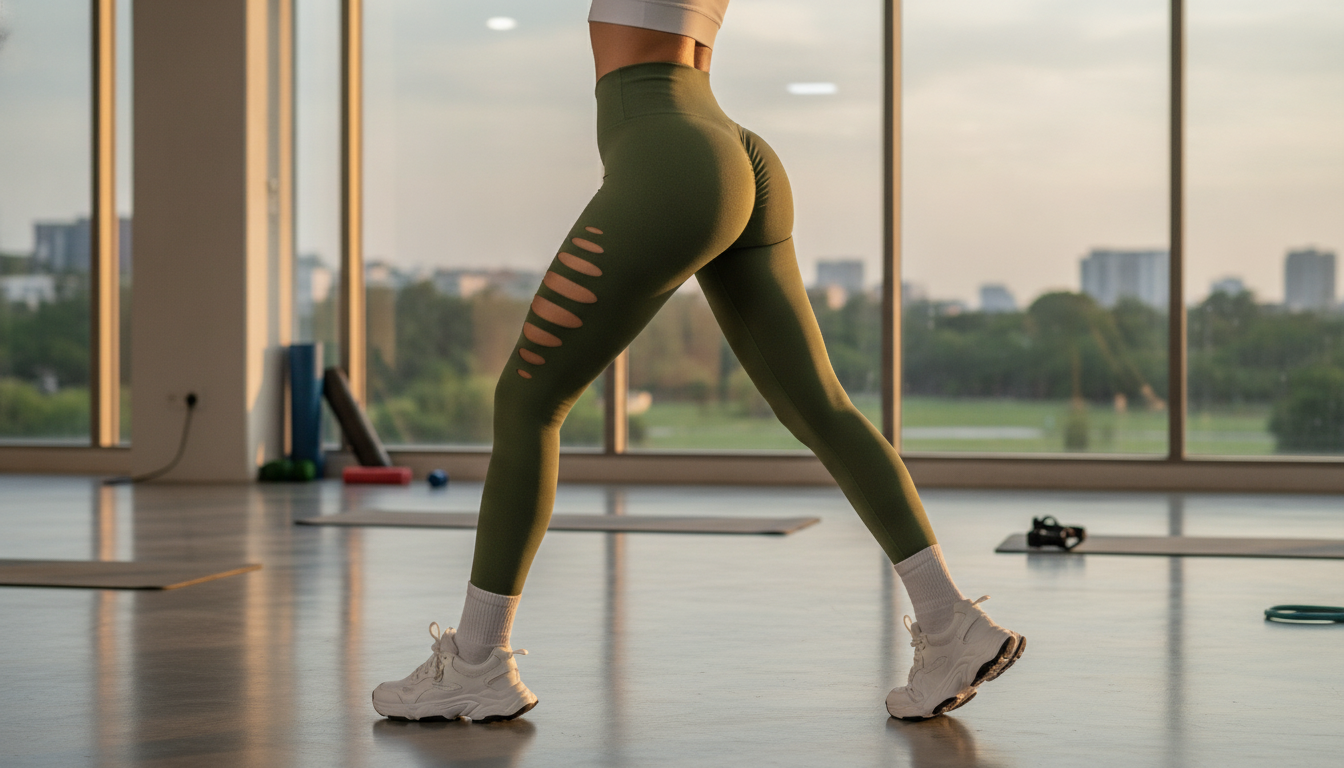
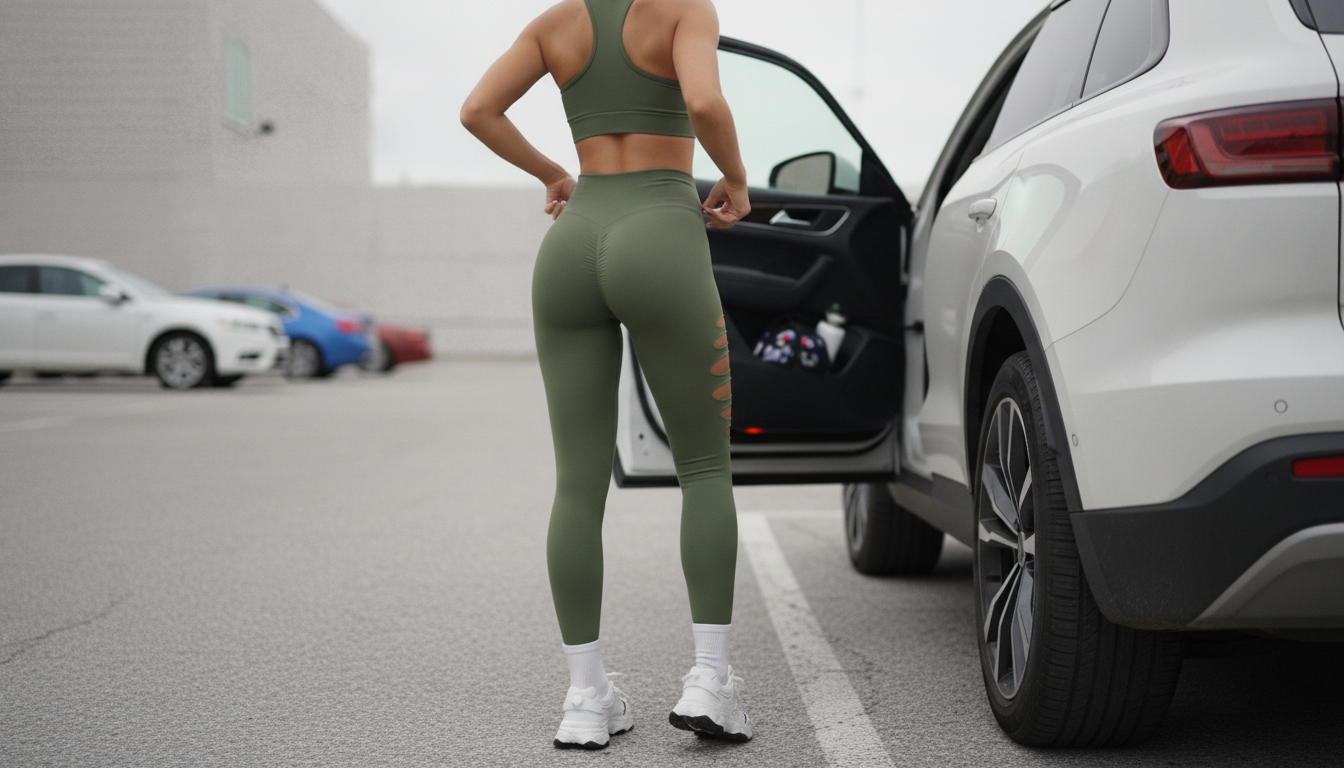
High-waist scrunch leggings combine a supportive waistband with a contour-enhancing scrunch seam to create a flattering, stay-put fit for workouts and everyday wear. The right pair should feel secure (not squeezed), stay opaque when you move, and bounce back after a full day of squats, sitting, and walking. Below is a practical guide to what makes scrunch leggings unique, how to check fit fast, what construction details are worth paying attention to, plus outfit ideas and care tips so they keep their shape over time.
What Makes Scrunch Leggings Different
Scrunch leggings aren’t just “regular leggings with a detail.” A few design choices change how they look and how they perform when you train or run errands.
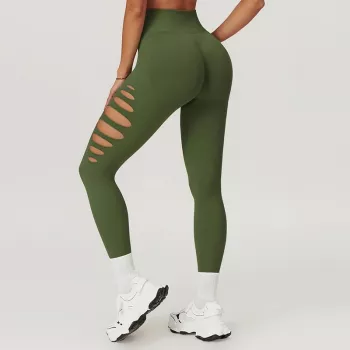
- Scrunch seam placement: A gathered center seam at the back is designed to add definition and create a lifted look. When it’s centered correctly, it enhances shape without feeling bulky.
- High-rise waistband: A higher waist aims to sit above the hips to reduce rolling and add midsection support during movement—especially when bending, lunging, or reaching overhead.
- Stretch recovery matters: The best pairs “snap back” after wear. If the seat or knees go baggy quickly, the fabric may be too thin, the elastane content too low, or the knit not resilient enough.
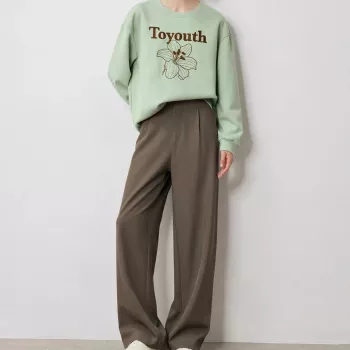
- Workout-to-street versatility: Scrunch leggings are built to look intentional beyond the gym—easy to pair with oversized sweatshirts, jackets, and clean sneakers without looking like strictly performance gear.
How They Should Fit (Quick Self-Check)
A great fit is equal parts comfort and stability. Use these checks before committing to a pair (or as soon as they arrive).
- Waistband should feel secure without digging: It should stay in place during a deep squat or brisk walk without folding or pinching.
- No sheer moments: Fabric should remain opaque when bending and stretching; test in bright light if possible.
- Scrunch should sit centered: The seam should align with the natural center of the glutes without pulling to one side.
- Legs should feel smooth, not restrictive: Excess tightness behind the knee can signal a sizing mismatch or a fabric that’s too compressive for your preference.
- Seams should lie flat: Puckering at the hips or crotch often means the size is too small or the rise isn’t ideal for your torso length.
Fit guide by activity
| Activity |
What to prioritize |
Common issue |
Easy fix |
| Strength training |
High stretch + strong recovery, squat-proof feel |
Waistband rolls during lifts |
Choose a higher rise and ensure correct size |
| Yoga/Pilates |
Soft hand-feel, smooth seams |
Front seam pressure |
Look for a comfortable gusset and avoid sizing down |
| Walking/errands |
All-day comfort, breathability |
Slipping at the waist |
Try a snugger waistband fit and pair with a longer top if desired |
| HIIT/running |
Sweat management, stay-put compression |
Leggings slide down mid-workout |
Prioritize waistband support and consider slightly more compression |
Fabric and Construction Details That Matter
Two leggings can look similar on a hanger but feel totally different mid-workout. These details tend to separate “cute once” from “reach for them every week.”
- Material blend: Nylon/spandex often feels smooth and durable; polyester/spandex can feel soft and commonly dries quickly. Either can work—what matters is how dense and resilient the knit is.
- Breathability: Look for fabric that won’t feel clammy. Lighter-to-midweight knits can be more comfortable for warm sessions, while slightly thicker fabrics often provide more coverage.
- Gusset and crotch construction: A well-designed gusset improves comfort and reduces seam stress during lunges and squats.
- Seam strength: Reinforced stitching helps prevent popped seams when you’re pulling them on quickly or moving through deep ranges of motion.
- Waistband structure: A wide waistband distributes pressure more evenly and helps reduce rolling. If you prefer extra hold, choose a waistband that feels stable when you inhale deeply.
- Scrunch durability: Gentle washing and air-drying help the gathered seam keep its shape rather than relaxing over time.
For training fundamentals that emphasize full-range movement (where good stretch recovery really matters), the American Council on Exercise offers helpful strength training guidance: https://www.acefitness.org/resources/everyone/blog/.
Outfit Ideas: Gym Sets, Streetwear, and Travel Days
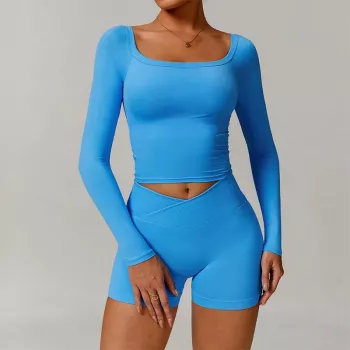
Easy wardrobe pairings from the shop
Care Tips to Keep the Scrunch and Stretch Looking New
For labeling and care instructions, it’s also worth checking the Federal Trade Commission’s guidance on care labeling: https://www.ftc.gov/business-guidance/resources/care-labeling-textile-wearing-apparel-certain-piece-goods.
A Simple Pick for Everyday Workouts
Shop the look: High-Waist Scrunch Leggings for Women.
FAQ
Do scrunch leggings feel different from regular leggings?
They can feel slightly more structured at the back because of the gathered scrunch seam. A good pair shouldn’t feel scratchy or overly tight—comfort mainly depends on the fabric and whether the seam sits centered where it’s meant to.
How can leggings be checked for squat-proof coverage at home?
Test them in bright light using a mirror or phone camera, then do a deep squat and a forward bend. Opacity depends on correct sizing and fabric weight, so if they go sheer, sizing up or choosing a denser knit usually helps.
How should scrunch leggings be washed so the seam doesn’t lose shape?
Turn them inside out, wash cold on a gentle cycle, avoid fabric softener, and air-dry when possible. High heat can weaken spandex and relax the scrunch over time.
Recommended for you








Leave a comment