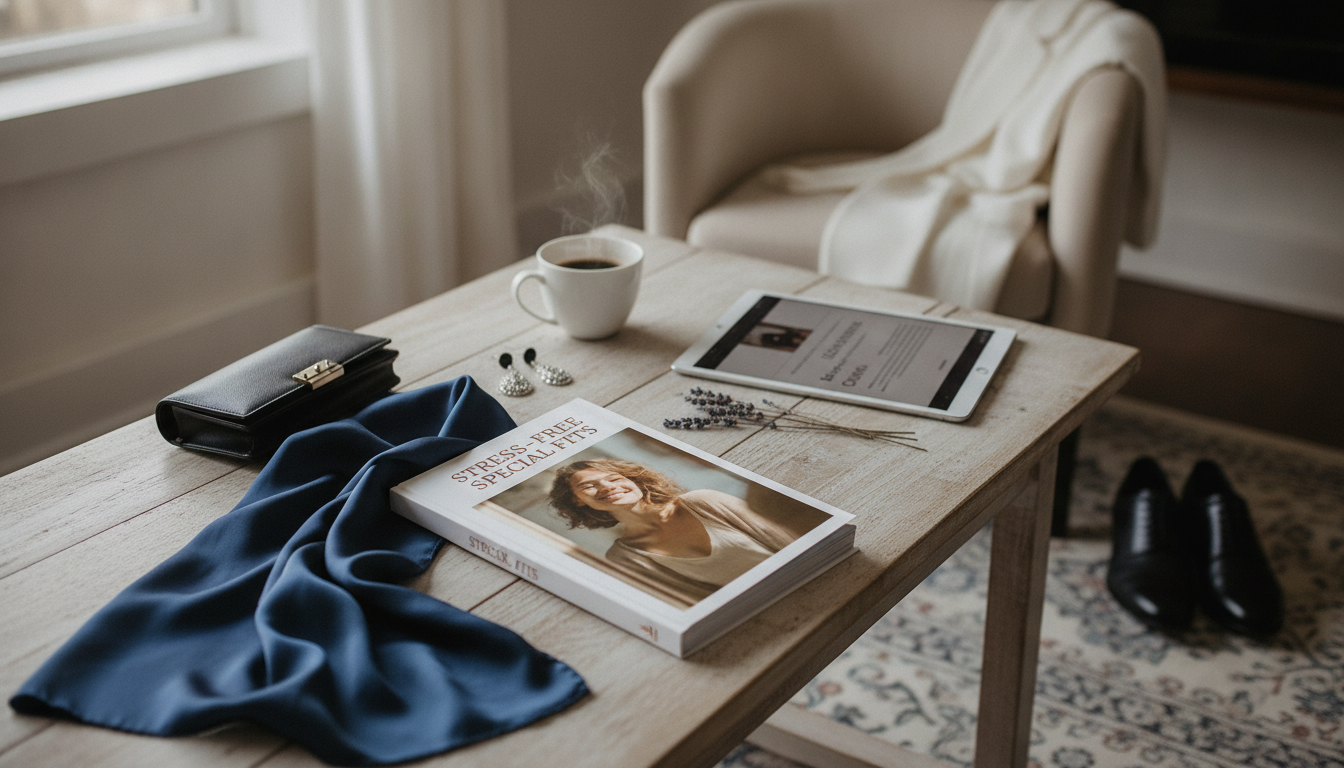
Special-event outfits can feel oddly high-stakes because too many variables hit at once: venue, weather, timing, flash photography, comfort, and the nagging question of “Will I stand out in the wrong way?” Add vague dress-code language and a calendar full of different occasions, and it’s easy to spiral into second-guessing. For more guidance, see How to Dress for Formal Events When You’re Plus-Size – Hello Curve.
The quickest way out is to stop chasing a “perfect” outfit and use a small set of rules that works across most occasions. Aim for a result that’s appropriate + polished + comfortable. That combination photographs well, feels confident in the moment, and saves time because you’re making decisions from a system—not from stress. For further reading, see Best Plus Size Special Occasion Attire Ideas – Adrianna Papell.
When you have an invitation (or a last-minute plus-one situation), this three-part formula keeps the process simple and consistent.
Start with one item that carries the formality level on its own: a dress, a suit set, elevated separates, or a jumpsuit. If you can answer “Is this base appropriate for the venue?” you’ve already solved half the outfit.
Structure makes an outfit look intentional—especially in photos. Think blazer, tailored waistband, a defined shoulder, a belt, or a sleek outer layer. Even one structured piece can take something from “nice” to “event-ready.”
Your finish is the signal that says “I meant to dress for this.” Choose 2–3 details such as shoes + bag + jewelry, or hair + lip + earrings. This is where dress codes are often won or lost.
Quick rule: raise formality with structure and finish; lower it with relaxed fabrics, minimal accessories, and casual footwear. If the base feels risky (sparkle, bold color, high slit), keep the finish classic. If the base is classic, let the finish get playful.
Before shopping—or panic-texting friends—use three clues: time of day (day vs. evening), venue (garden vs. ballroom), and the specific words used (cocktail, formal, festive). If the dress code still feels unclear, aim one notch dressier than everyday and rely on refined shoes and a structured bag to “solve” the level.
Two common missteps can make even a pretty outfit look underdressed: overly casual shoes (sneakers, flip-flops) and fabrics that wrinkle quickly or look thin under flash. If you want a deeper dive into classic etiquette guidance, the Emily Post Institute’s dress code overview is a helpful reference. For wedding-specific nuance, The Knot’s wedding guest attire guide clarifies what couples typically expect.
| Dress code | What it usually means | Go-to outfit ideas | Easy upgrades | Avoid |
|---|---|---|---|---|
| Casual / Dressy Casual | Polished but relaxed | Midi dress, wide-leg pants + nice top, jumpsuit | Statement earrings, structured bag | Athleisure, worn-out denim, beach sandals |
| Cocktail | Elevated, party-ready | Knee-to-midi dress, sleek set, tailored jumpsuit | Heels/strappy flats, clutch, bolder lip | Daytime sundress styling, bulky totes |
| Semi-Formal | Similar to cocktail; slightly more refined | Midi dress, tailored suit set, elevated separates | Blazer, refined jewelry, sleek hair | Very short hems, overly casual fabrics |
| Formal / Black Tie Optional | Evening polish; floor-length welcome | Maxi dress, gown-like silhouette, dark suit | Metallic shoe, elegant wrap, elevated clutch | Casual knits, daytime prints, casual outerwear |
| Festive | Dressy with color or sparkle | Cocktail base + playful accessories, bold color dress | Sparkle earrings, metallic bag, fun heels | Looking “theme costume” instead of elevated |
A great outfit isn’t just about how it looks standing still. It’s about how it behaves when you sit for dinner, hug people, dance, and get photographed from every angle.
Wide-leg pants + elevated top + blazer, finished with sleek loafers or heels and a structured bag. A reliable base to keep on hand: Women’s Wide-Leg Pants.
Midi dress + comfortable dressy shoe + light wrap. Keep prints and colors appropriate to the venue, and consider how the fabric will photograph outdoors. For a simple option that can be styled up or down, try the Ankle-Length Sleeveless Casual Dress with a refined sandal and structured bag.
If decision fatigue is the real problem, a repeatable system helps more than another scroll session. Stress-Free Special Fits digital guide is built to cut the noise: a clear outfit formula, dress code clarity, and practical styling tips designed to reduce second-guessing.
Use time of day + venue + host type to estimate formality, then choose a polished base and adjust with shoes and accessories. When unsure, lean slightly dressier—refined footwear and a structured bag usually bring the look into the right zone.
Repeat a strong base piece and rotate the finish (shoes, bag, jewelry, hair) plus your outer layer. Changing the color story or texture—like metallics vs. matte—makes the same silhouette feel fresh.
Add structure (tailoring, belt, blazer) and a deliberate finish (earrings + lip color, or sleek shoe + clutch). Avoid wrinkly fabrics and overly thin materials that can look uneven under flash.








Leave a comment